
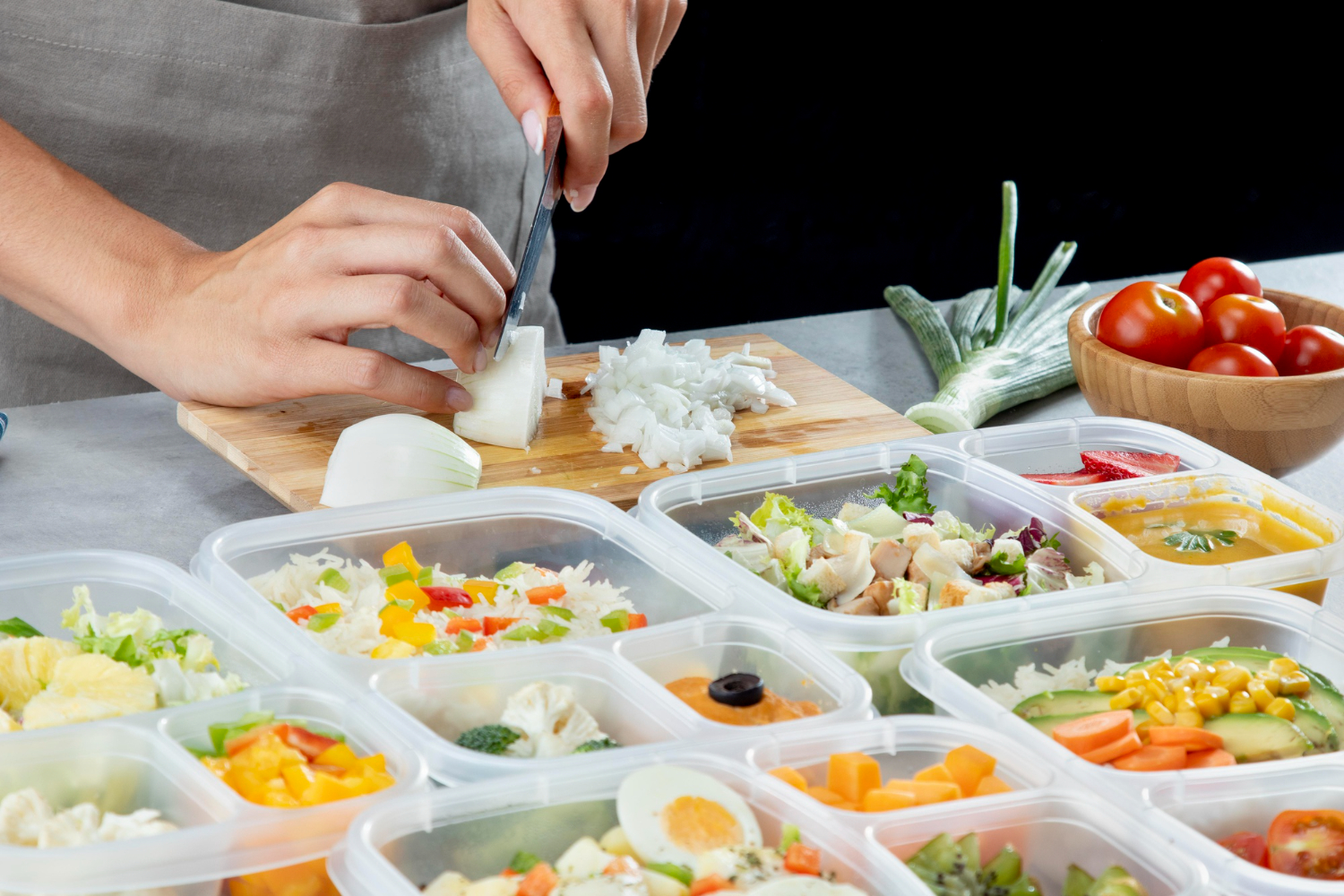
Feeding large groups daily—whether in **training academies, hostels, government facilities, police training centers, colleges, or corporate canteens—**requires precision, planning, and control. Institutional catering is not just about providing food; it is about ensuring that every meal served is safe, hygienic, nourishing, and delivered on time.
For organizations, good food directly impacts health, productivity, discipline, and overall morale of the people being served. Therefore, institutional catering requires system-driven operations, skilled staff, and strict quality monitoring.
Why Institutional Catering is Different
Institutional catering is different from hotels, restaurants, and event-based catering because it focuses on:
Daily meal service over long durations
Consistency in taste and nutrition every day
Strict food safety and hygiene compliance
Large-scale meal planning and delivery
This means there is no room for irregularity.
Each meal must meet the same quality standards, every single day.
Key Focus Areas in Institutional Catering
1. Hygiene & Clean Kitchen Practices
Maintaining hygiene is the foundation of institutional catering.
This includes:
Regular sanitization of kitchens and equipment
Safe food handling and storage procedures
Clean and sanitized utensils, water, and cooking surfaces
Use of fresh and approved raw materials
Hygiene ensures zero contamination and protects consumers’ health.
2. Balanced Nutrition
In large institutions like police training centers, hostels, student accommodations, and corporate offices, a well-balanced diet is essential to maintain:
Energy levels
Physical strength
Mental focus
Overall well-being
Menus are planned with the right balance of:
Proteins
Carbohydrates
Fresh vegetables
Seasonal fruits
Healthy cooking oils and controlled spices
This ensures people receive wholesome and beneficial meals every day.
3. Consistent Taste & Quality
Institutional catering relies on:
Standardized recipes
Trained kitchen teams
Portion control
Routine quality checks
This avoids fluctuations in food taste or quantity.
Consistency builds trust and satisfaction among the people being served.
4. Timely Meal Delivery
Serving thousands of meals daily requires:
Coordinated kitchen operations
Planned cooking timelines
Efficient packaging and distribution
Proper staff deployment
With strong logistics, meals are always served hot, fresh, and on time.
Our Catering Capability
OM Enterprise has experience in providing institutional catering to 300 to 5000+ individuals daily across Gujarat, especially in:
Police Training Centers
Government Hostels
District & Collector Offices
Institutional Campuses
Our catering services are supported by:
ISO 22000:2015 Food Safety Management System
Trained kitchen staff, supervisors, and food handlers
Continuous hygiene audits & monitoring
Safety-first food preparation environment
Structured meal planning & supply chain management
We ensure:
Safe food
Balanced nutrition
Quality consistency
Cost-effective catering
Institutional catering is not just about cooking and serving meals—it is a system of discipline, hygiene, nutrition planning, and operational excellence. By maintaining strict standards and trained staff, OM Enterprise ensures that every meal contributes to the health, satisfaction, and well-being of the people we serve.